-
Knowledge Management
$60.00In this course, you will learn what knowledge is, what knowledge management is, how tacit and explicit knowledge are different, and the business benefits that knowledge management can bring. Then, you will learn about the knowledge management mix (which includes people, technology, and process) as well as a four step process for building your knowledge management framework. You will also learn about four knowledge management models: Bukowitz and Williams KM Process Framework, Gamble and Blackwells knowledge management matrix, Bothas process model, and Nonaka and Takeuchis spiral model. Implementation aspects, such as knowledge management teams, post-mortem plans, KMBOKs, Chief Knowledge Officers, and pilot programs, are covered as well. -
Generation Gap: Closing the Gap in the Workplace
$65.00During this course, you will consider whether defining the actual limits of each generation is most important, or whether the merits of people within the context of employment is the bigger issue. You will learn about the various types of generations and how human resource practices can bridge the gap. -
Becoming a Better Learner
$65.00After you complete this course, you will be able to understand what it means to learn and become a life-long learner, know what a mindset for learning looks like and how to adopt one, set realistic goals, understand what your network is and why expanding it is important, know how to ask questions and why that is important, become accountable for your goals and take responsibility, and know how to accelerate your learning. -
Microsoft 365 Outlook Part 1: Working with Tasks and Notes
$99.00Create and manage tasks, and manage notes. -
Getting Started with Microsoft 365: Managing Security
$99.00Manage domains Monitor Microsoft 365 security and compliance -
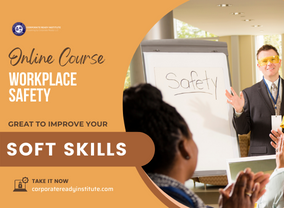
Workplace Safety
$65.00After you complete this course, you will be able to: Understand the difference between a safety program and a safety culture, Use resources to help you understand the regulations in your area, Launch a safety committee, Identify hazards and reduce them, Apply hiring measures that can improve safety, Explain what a safety training program will involve, Identify groups particularly at risk for injury and know how to protect them, Help your organization write, implement, and review a safety plan, Respond to incidents and near misses, Understand the basics of accident investigation and documentation.