
-
Introduction to Microsoft Power BI: Getting Started
$99.00In this course you will learn how to describe the components of Power BI, work with Power BI files, connect to data sources with the Power BI desktop client, create a report and visualizations, and work with visualizations. -
Writing a Business Plan
$99.00In this course, you will learn the essential steps for creating a business plan, including creating a first draft; identifying the audience; gathering information; researching; describing product plans; and marketing, sales, and accounting terms. -
Conducting Accurate Internet Research
$99.00This course is going to provide you with the skills you will need to get the most of an Internet search. You will learn where to look for information, how to find it, and the types of information that you can, and cannot, find online. It looks at the surface web and then takes you further in your searching skills to the deep web. -
Microsoft 365 Excel: Part 2: Analyzing Data with PivotTables, Slicers, and PivotCharts
$99.00Create a PivotTable Filter data using slicers Analyze data using PivotCharts -
Critical Thinking
$65.00In this course, youll learn what critical thinking is all about, what characteristics a critical thinker has, and what skills you may want to work on. Then, youll work your way through a seven-step critical thinking model. Supporting skills, such as asking good questions, applying common sense, and thinking creatively, are also covered. -
The Minute Taker’s Workshop
$99.00Youll begin this course by learning what a minute-taker does and what skills they should have. Then, youll learn about different styles of minutes, what to record, how to prepare minutes, and how to keep a minute book. -
Microsoft 365 Teams: Customizing Your Teams Experience
$99.00Manage your Teams profile Manage teams Add bots and apps to Teams -
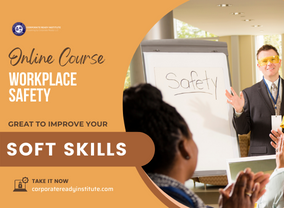
Workplace Safety
$65.00After you complete this course, you will be able to: Understand the difference between a safety program and a safety culture, Use resources to help you understand the regulations in your area, Launch a safety committee, Identify hazards and reduce them, Apply hiring measures that can improve safety, Explain what a safety training program will involve, Identify groups particularly at risk for injury and know how to protect them, Help your organization write, implement, and review a safety plan, Respond to incidents and near misses, Understand the basics of accident investigation and documentation.